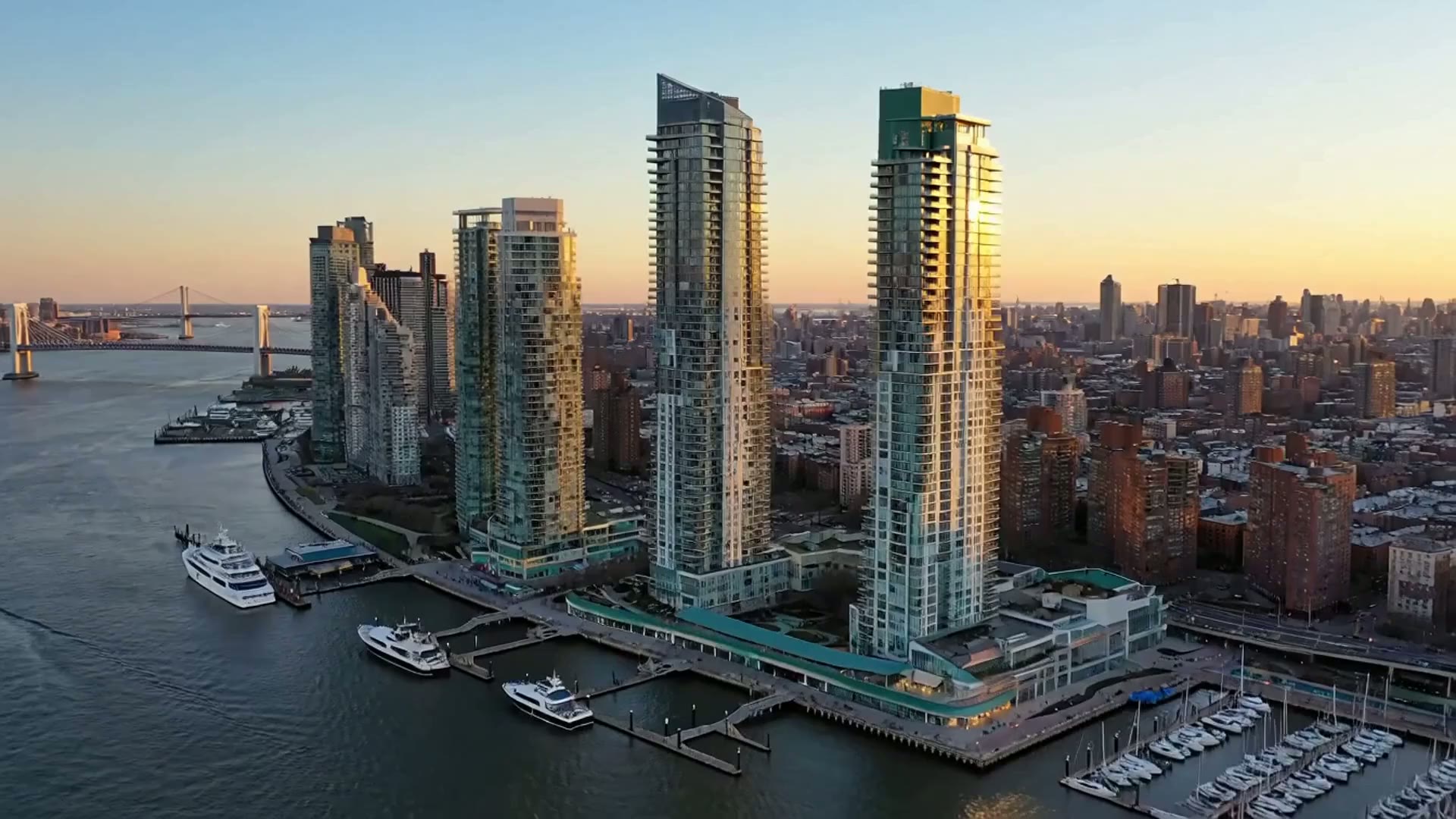
NYC Local Law 97 exposure priced into 2027–2028 transactions
OPENISSUED SUMMER 2026
Every asset has two prices: the one in your model, and the one
your next lender, insurer, and buyer are forming. We read the
second one early, while you still have leverage to act on it.
Imagine two buildings with the same submarket, vintage, insurance exposure, and loan maturing on the same date. On every screen and appraisal, they are the same building.
18 months before maturity, one owner learned the lender would discount a below-market lease and the insurer would reprice the roof. They extended the tenant, documented the roof work, and refinanced on their terms.
The other owner learned the same things from the term sheet, and funded the gap with equity.
What your counterparties are already pricing in
Lost in loan proceeds for every $1 of income your next lender declines to recognize.
At a 1.25x coverage test and a 7.5% constant, a $400,000 disagreement about income is a $4.3M disagreement about your financing. If your new loan barely clears your old one, a 2% income haircut can erase 20% of your cash-out.
How far the safest asset class in America repriced, without losing a single tenant.
NYC rent-stabilized multifamily: a 2019 law capped how fast rents could rise. Insurance rose 224%, lending to the segment fell 74%, price per unit went from $270,000 to $163,000, and occupancy never changed.
How much of your ten year government lease actually belongs to you.
After a firm term, the government can leave on 120 days' notice. Your lender sizes to year five, regardless of what the lease says.
Being re-underwritten this year.
17.5% of the $5.0 trillion of US commercial and multifamily mortgage debt outstanding, re-examined against today's income, insurance and credit appetite.
Give us an asset and your current underwriting. We build a repricing graph for it: the connections between your documents and outside market signals (a lease clause, a concession trend, a capital project, a covenant) that together decide what the next counterparty will recognize.
Then we run the counterparty: what income a lender credits, what conditions an insurer attaches, what a buyer discounts, and what each one requires as proof. We work backward from their requirements to the moves your team can still make.
Don't have a specific question? We'll find the decision that matters most: the one coming up soonest, still in your control, and worth the most.
Leases, operating records, technical documents and market evidence connected to the same asset, with dates and sources preserved.
Assess how lenders, buyers and insurers treat the same asset, and the assumptions behind their terms.
Compare the cost and financial effect of a proposed change while keeping unrelated assumptions fixed.
Inspect the documents, assumptions and calculations behind the answer. See what is supported, what is modeled and what could change the recommendation.
Before a refinance, sale, or major investment, understand how lenders, buyers, and insurers could change the outcome, and what you can do about it.
Anticipate price cuts and tougher terms while you can still act.
Example: Buyers could cut an office’s price by $25M because repair costs are uncertain. Spending $3M on inspections and targeted repairs could reduce that discount to $9M, which means $16M of sale value protected, and $13M after costs.
Refinancing · Insurance renewal · Sale
Find what would make lenders and buyers give your upside more credit.
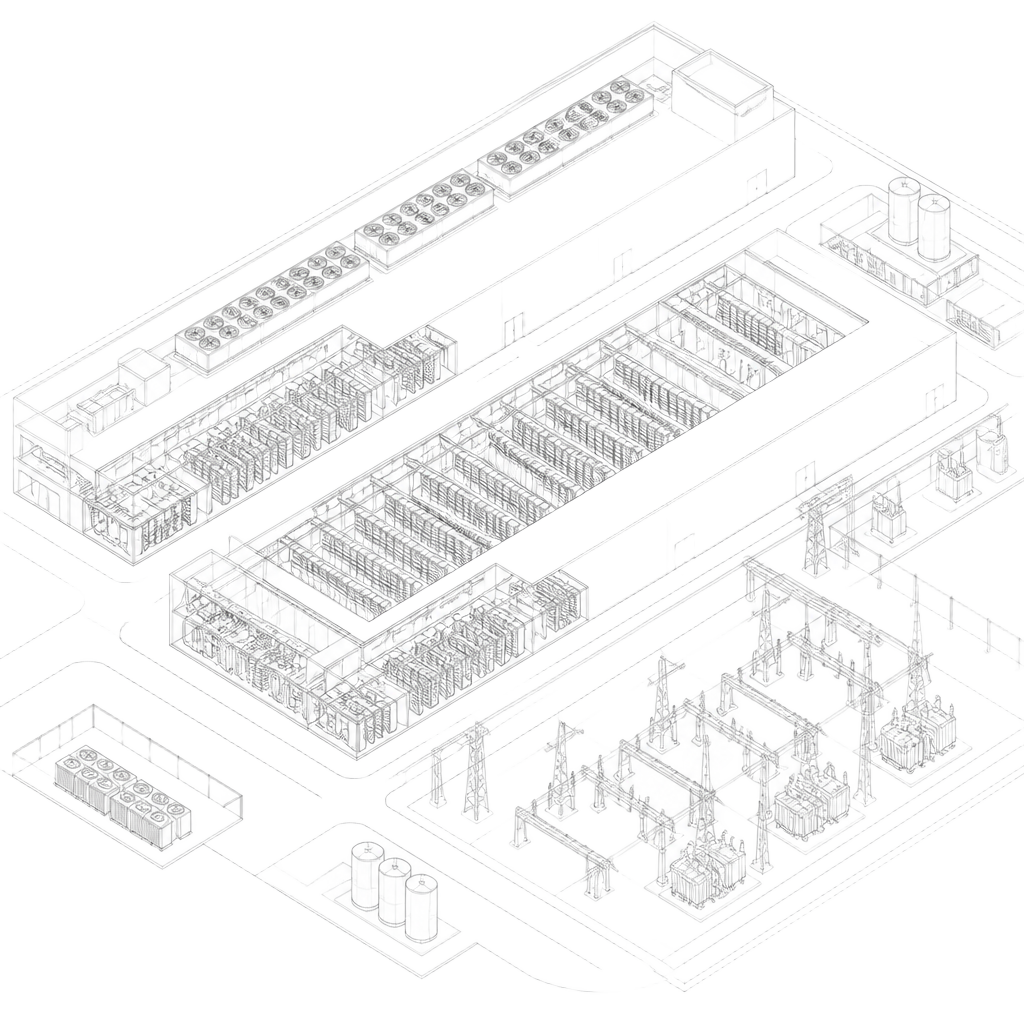
Example: A data center’s expansion gets just $24M of buyer credit because key commitments are missing. Mendria identifies $6M of work that could increase that to $72M, which means $42M in additional sale value after costs.
Expansion · Redevelopment · Lease-up
See which investments change the financial outcome, and which can wait.
Example: An office has a €14M upgrade planned. Mendria finds that €5M meets the energy standard driving buyer pricing. The remaining €9M adds no modeled sale value, so €9M of spending deferred and €13M of sale value protected.
Major capex · Development phases · Acquisition planning
Find the condition your investment depends on and what it takes to resolve it.
Example: A land purchase assumes development financing will be available. Mendria finds that financing depends on a firm power-delivery commitment, so you make power delivery a condition of closing.
Powered land · Infrastructure · Complex development
We include the segment, mechanism, window, what would prove us wrong, and the date we score these publicly.
APR 29 2026 · $35.9M MORTGAGE DUE
MAY 1 2026 · $26.0M RATE CAP EXPIRES
APR 2026 · $11.5M BRAND RENOVATION DUE
$10.0M moved
APR 2024
$3.0M PAYDOWN · $5.0M PIP RESERVE · $1.7M COLLATERAL · $0.3M INTEREST RESERVE
A 331 room airport hotel. Three obligations converged within three days of each other in April 2026. The lender took the cash in April 2024.
SOURCE · SOTHERLY HOTELS SEC FILINGS
NYC Local Law 97 exposure priced into 2027–2028 transactions
OPENISSUED SUMMER 2026
Data center expansion value discounted for unsecured power
OPENISSUED SUMMER 2026
PFAS certainty spread in industrial and logistics terms
OPENISSUED AUGUST 2026
WHAT WOULD PROVE US WRONG
If large gap buildings transact at prices, reserves and holdbacks that can't be told apart from comparable buildings without a gap.
Research with us.
If you lend, insure, underwrite or study real assets, we'd welcome your perspective on an open call, data that would strengthen it, or a collaboration on the next one.
Start a conversation →team@mendria.comDon't see your asset type? Tell us what you own and the decision you face. We'll tell you whether Mendria can support it and what information we need.